


Need an Endodontist Milton? 7 Signs It’s Time to See a Specialist
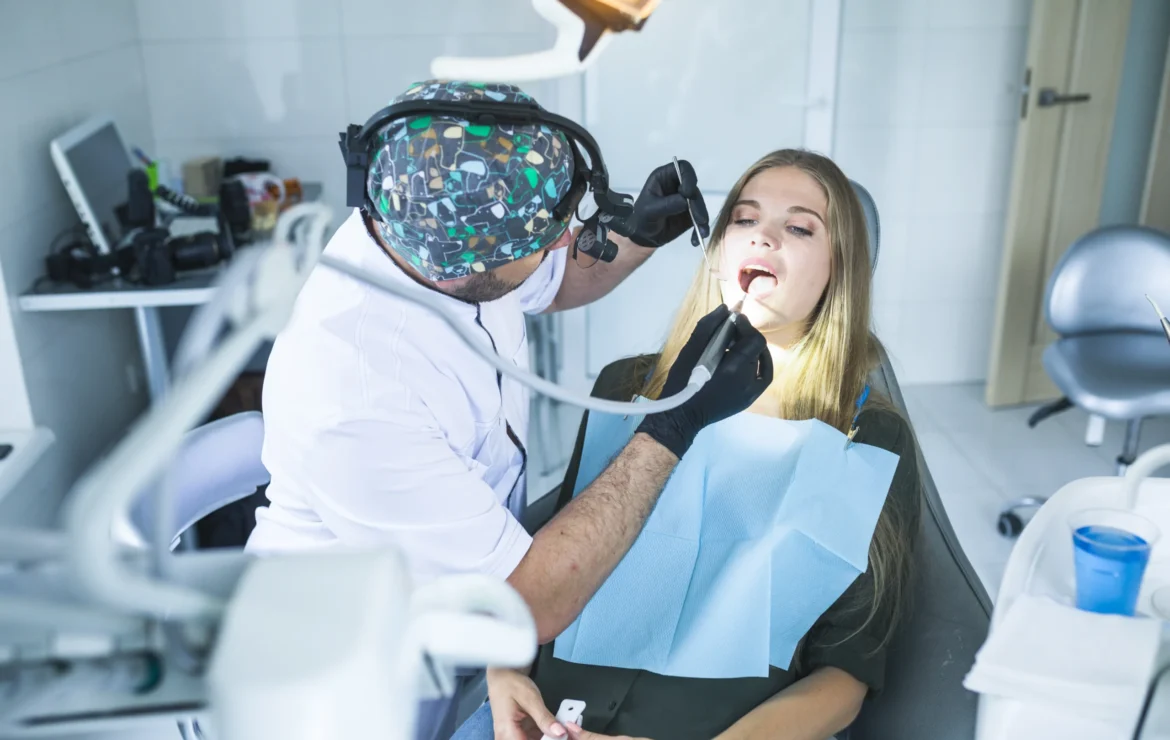
Need an Endodontist Milton? 7 Signs It’s Time to See a Specialist

Tooth pain can be unpredictable—sometimes sharp, sometimes dull, and occasionally so severe that it disrupts daily life. When discomfort goes beyond the surface, it often involves the tooth’s nerve or root system. That’s when visiting an Endodontist Milton patients trust becomes essential.
Summary: When pain involves the tooth nerve, endodontic care offers the most accurate diagnosis and highest chance of saving the natural tooth.
Endodontists specialize in treating tooth pain, deep infections, and complex root canal problems. They use advanced technology to diagnose and resolve issues that general dentistry may not fully address.
If you’re unsure whether it’s time to see a specialist, the symptoms below can guide you. Milton patients can access endodontic-focused care at Smile Lounge Dentistry, located at 264 Main Street East, Milton, ON.
What Does an Endodontist Do? (Snippet Answer)
An endodontist is a dental specialist trained to diagnose and treat tooth nerve problems, perform root canal therapy, manage deep infections, repair cracked teeth, and address dental trauma using advanced imaging and microsurgical techniques.
Summary: Endodontists focus on saving natural teeth through root canal and nerve-focused treatments.
Their expertise includes:
- Root canal therapy
- Endodontic retreatment
- Management of cracked teeth
- Treatment of dental trauma
- Diagnosis of complex tooth pain
- Surgical endodontic procedures
7 Signs You Need an Endodontist in Milton
1. Persistent or Severe Tooth Pain
Lingering tooth pain—especially discomfort that lasts more than a couple of days—is one of the strongest signs of nerve involvement.
Summary: Ongoing or intense pain usually signals nerve inflammation requiring endodontic care.
Pain may feel:
- Deep and throbbing
- Sharp when chewing
- Worse at night
- Radiating into the jaw or ear
Endodontists can identify whether the pulp is inflamed, infected, or dying and recommend precise treatment.
2. Lingering Hot or Cold Sensitivity
Mild sensitivity is normal, but sensitivity that lingers for 10–30 seconds or longer is a red flag.
Summary: Long-lasting sensitivity often means the nerve is inflamed or infected.
Common causes include:
- Deep cavities
- Failing restorations
- Microcracks
- Worn enamel
- Nerve irritation
An Endodontist Milton specialist can test the tooth’s vitality and determine if endodontic treatment is necessary.
3. Gum Swelling or a Bump Near the Tooth
Localized swelling, tenderness, or a small pimple-like bump (fistula) often indicates infection that has spread from the tooth root.
Summary: Swelling is a sign of an abscess that requires prompt endodontic evaluation.
Additional symptoms may include:
- Bad taste
- Pressure around the tooth
- Throbbing pain
- Warmth in the area
Endodontic treatment removes the infection source and helps prevent complications.
4. A Cracked, Fractured, or Chipped Tooth
Cracks can expose the inner layers of the tooth, making the nerve vulnerable.
Summary: Cracked teeth rarely heal on their own and usually need endodontic intervention.
Symptoms include:
- Sharp pain on biting
- Pain on release
- Temperature sensitivity
- Intermittent discomfort
Endodontists are specially trained to diagnose the depth of cracks and determine whether root canal therapy is needed.
5. Darkening or Discolouration of a Single Tooth
If one tooth becomes noticeably darker than the others, the nerve may be damaged or dying.
Summary: A darkened tooth often signals internal nerve issues that require specialist assessment.
Causes include:
- Trauma
- Internal bleeding
- Infection
- Long-term decay
An endodontist can evaluate the health of the pulp and recommend appropriate treatment.
6. New Symptoms After a Previous Root Canal
Root canal treatments have high success rates, but sometimes symptoms can return months or years later.
Summary: New pain or swelling after a previous root canal indicates the need for retreatment.
Signs of failing root canals:
- Swelling
- Tenderness
- Sensitivity
- Gum bumps
- Recurrent infection
Endodontic retreatment involves using advanced tools to clean, reshape, and reseal the canals more effectively.
7. Dental Trauma From Injury or Impact
Sports injuries, falls, or sudden impacts can damage the tooth’s internal structures even without visible cracks.
Summary: A tooth may look normal after trauma but still have nerve damage that requires endodontic care.
Common trauma signs:
- Tooth discoloration
- A loose or displaced tooth
- Sensitivity
- Pain when tapping or biting
Prompt treatment increases the chances of saving the natural tooth.
How Endodontists Save Natural Teeth
Endodontists use tools such as 3D CBCT imaging, microscopic magnification, ultrasonic instruments, and advanced irrigation systems to clean and restore the root canal system.
Summary: Advanced tools allow endodontists to remove infection and preserve natural teeth with high success rates.
Treatments include:
- Root canal therapy
- Retreatment
- Cracked tooth management
- Endodontic surgery
- Trauma care
With proper care, a treated tooth can last decades.
Why Choose Specialized Endodontic Care in Milton?
Summary: Specialists provide precise diagnosis, targeted treatment, and higher long-term success.
Benefits include:
- Faster and more accurate diagnosis
- Better pain relief
- Advanced technology
- Higher likelihood of saving the tooth
- Specialized management of complex anatomy
Practices like Smile Lounge Dentistry ensure smooth coordination between general dentistry and specialty care.
What to Expect at Your Endodontic Appointment
1. Advanced Imaging & Diagnosis
Endodontists start with digital X-rays or CBCT scans to assess roots, infection areas, and nerve health.
Summary: Detailed imaging improves accuracy and treatment success.
2. Pulp Vitality Testing
Cold tests, percussion tests, or electrical testing help determine nerve status.
Summary: Vitality tests reveal whether the nerve is inflamed, dying, or dead.
3. Treatment Options
Based on diagnostic findings, the endodontist may recommend:
- Root canal therapy
- Retreatment
- Monitoring
- Cracked tooth management
- Surgery
Summary: Care plans are customized based on the tooth’s condition.
4. Comfortable Treatment Process
Modern root canal therapy is usually no more uncomfortable than a routine filling.
Summary: Advanced anesthetics make endodontic procedures comfortable and efficient.
When Should You See an Endodontist?
If you notice tooth pain, swelling, sensitivity, discoloration, or trauma, it’s time to seek evaluation.
Summary: Early treatment increases the chance of saving your natural tooth.
Milton patients can schedule a local evaluation by calling 905-636-6444.
Additional FAQs
1. Can an endodontist treat severe tooth infections?
Yes. Endodontists specialize in eliminating deep infections and preserving natural teeth.
2. Is root canal treatment painful?
Modern techniques make root canal therapy very comfortable, with most patients feeling relief afterward.
3. How long does a treated tooth last?
A properly restored tooth can last decades or even a lifetime.
4. Do all root canals need crowns?
Back teeth usually require crowns for strength, but your dentist will decide based on the tooth.
5. Can I go directly to an endodontist?
Yes. You can self-refer if you have pain or symptoms suggesting nerve involvement.
5 Common Patient Concerns (“Cousions”)
1. “I’m scared of root canals—will it hurt?”
Advanced techniques and proper anesthesia make the procedure gentle and comfortable.
2. “How do I know if the pain is from the nerve?”
Lingering hot/cold sensitivity, throbbing pain, or pain when biting typically indicates nerve issues.
3. “Can a cracked tooth repair itself?”
No. Early intervention prevents worsening and increases the chance of saving the tooth.
4. “My tooth suddenly stopped hurting—am I fine now?”
Pain stopping may mean the nerve died. This still requires treatment to prevent infection.
5. “Should I wait to see if symptoms improve?”
Waiting may allow infections to spread. Early evaluation is always best.
Related posts


Write a Comment
Recent Posts

What Is a Dental Crown? – Complete Guide to Uses, Types & Procedure

What Are the Types of Dental Fillings? A Complete Guide for Patients

How Much Does It Cost for a Dental Cleaning? A Complete Patient Guide