


How Long Do Dental Implants Last? | Expert Dental Guide 2025

How Long Do Dental Implants Last? | Expert Dental Guide 2025

Dental implants have become the gold standard for replacing missing teeth. But one of the most common questions patients ask is:
How long do dental implants last?
In this comprehensive guide, we’ll break down the lifespan of dental implants milton, factors affecting their longevity, how to increase implant lifespan, and expert answers to frequently asked questions — all optimized to give you factual, trustworthy information from a dental professional’s perspective.
What Are Dental Implants?
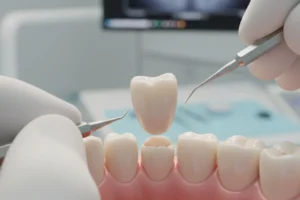
Dental implants are artificial tooth roots, typically made of titanium, surgically inserted into the jawbone. Once healed, a crown, bridge, or denture is attached to restore function and aesthetics.
They are widely praised for their durability, natural appearance, and ability to preserve jawbone integrity.
How Long Do Dental Implants Last?
The Short Answer:
Dental implants can last 20 years to a lifetime with proper care and maintenance.
The Breakdown:
-
- Implant fixture (in the jawbone): 25+ years, often permanent
-
- Abutment & Crown (visible parts): 10–15 years on average (can be replaced if worn or damaged)
Dental implants are designed to be a long-term or permanent solution, unlike dentures or bridges that may require more frequent replacements.
Factors That Affect the Lifespan of Dental Implants
-
- Oral Hygiene
-
- Poor hygiene can lead to peri-implantitis (inflammation around the implant), reducing implant longevity.
-
- Oral Hygiene
-
- Lifestyle Habits
-
- Smoking, excessive alcohol, and poor diet can all compromise implant success.
-
- Lifestyle Habits
-
- Bone Quality & Volume
-
- Adequate bone support is crucial. Bone loss may result in implant failure.
-
- Bone Quality & Volume
-
- Dental Implant Location
-
- Implants in the back of the mouth endure more force and may wear faster.
-
- Dental Implant Location
-
- Material Quality
-
- High-quality titanium or zirconia implants last longer and integrate better with bone.
-
- Material Quality
-
- Surgical Technique & Aftercare
-
- A skilled dental surgeon ensures better placement, healing, and long-term results.
-
- Surgical Technique & Aftercare
-
- Bruxism (teeth grinding)
-
- Can cause micro-damage to the implant or crown over time.
-
- Bruxism (teeth grinding)
How to Make Dental Implants Last Longer
-
- Brush and floss daily
-
- Use a non-abrasive toothpaste and soft-bristle toothbrush
-
- Visit your dentist every 6 months
-
- Avoid smoking or tobacco products
-
- Wear a night guard if you grind your teeth
-
- Avoid biting hard foods or objects (ice, pens, etc.)
-
- Maintain a healthy, balanced diet for bone and gum health
Are Dental Implants Permanent?
Yes, dental implants are considered permanent when properly placed and maintained. The titanium post fuses with the jawbone through a process called osseointegration, which provides unmatched stability.
However, the crown or prosthetic on top may need to be replaced every 10–15 years due to normal wear and tear.
Success Rate of Dental Implants
According to clinical studies, dental implants have a 95–98% success rate over 10 years or more. With proper care, this success can extend even longer.
Frequently Asked Questions (FAQs)
1. Can dental implants last a lifetime?
Yes. With good oral hygiene, regular dental visits, and a healthy lifestyle, many patients keep their dental implants for life.
2. Do dental implants need to be replaced?
The implant post rarely needs replacement. However, the crown, abutment, or denture on top may require replacement after 10–15 years.
3. What can cause dental implants to fail?
Poor oral hygiene, smoking, uncontrolled diabetes, or bone loss can contribute to implant failure.
4. Is there an age limit for dental implants?
No. Dental implants are suitable for adults of all ages as long as there’s adequate bone and good general health.
5. How do I know if my dental implant is failing?
Signs include pain, mobility, swelling, gum recession, or difficulty chewing. Visit your dentist immediately if you experience any of these symptoms.
Final Thoughts
Dental implants are one of the most reliable and long-lasting tooth replacement options available today. While the implant itself can last a lifetime, the prosthetic parts may eventually require replacement due to wear. With proper care, you can expect decades of confident smiles, improved chewing function, and preserved jawbone health.
Before deciding, consult with a certified implant dentist to evaluate your personal needs, bone condition, dental implant cost and treatment options.
Looking to get dental implants?
Consult a licensed implant specialist near you to assess your oral health and get a custom treatment plan.
Related posts

Write a Comment Cancel reply
Recent Posts

What Is a Dental Crown? – Complete Guide to Uses, Types & Procedure

What Are the Types of Dental Fillings? A Complete Guide for Patients

How Much Does It Cost for a Dental Cleaning? A Complete Patient Guide