
Dental Cleaning vs. Deep Cleaning: What’s the Difference?
Is a regular dental cleaning enough, or do you need a deep cleaning? Learn how these procedures differ, what happens during treatment, and when your dentist may recommend scaling and root planing.
Smile Lounge Team
Smile Lounge Dentistry · Milton, ON
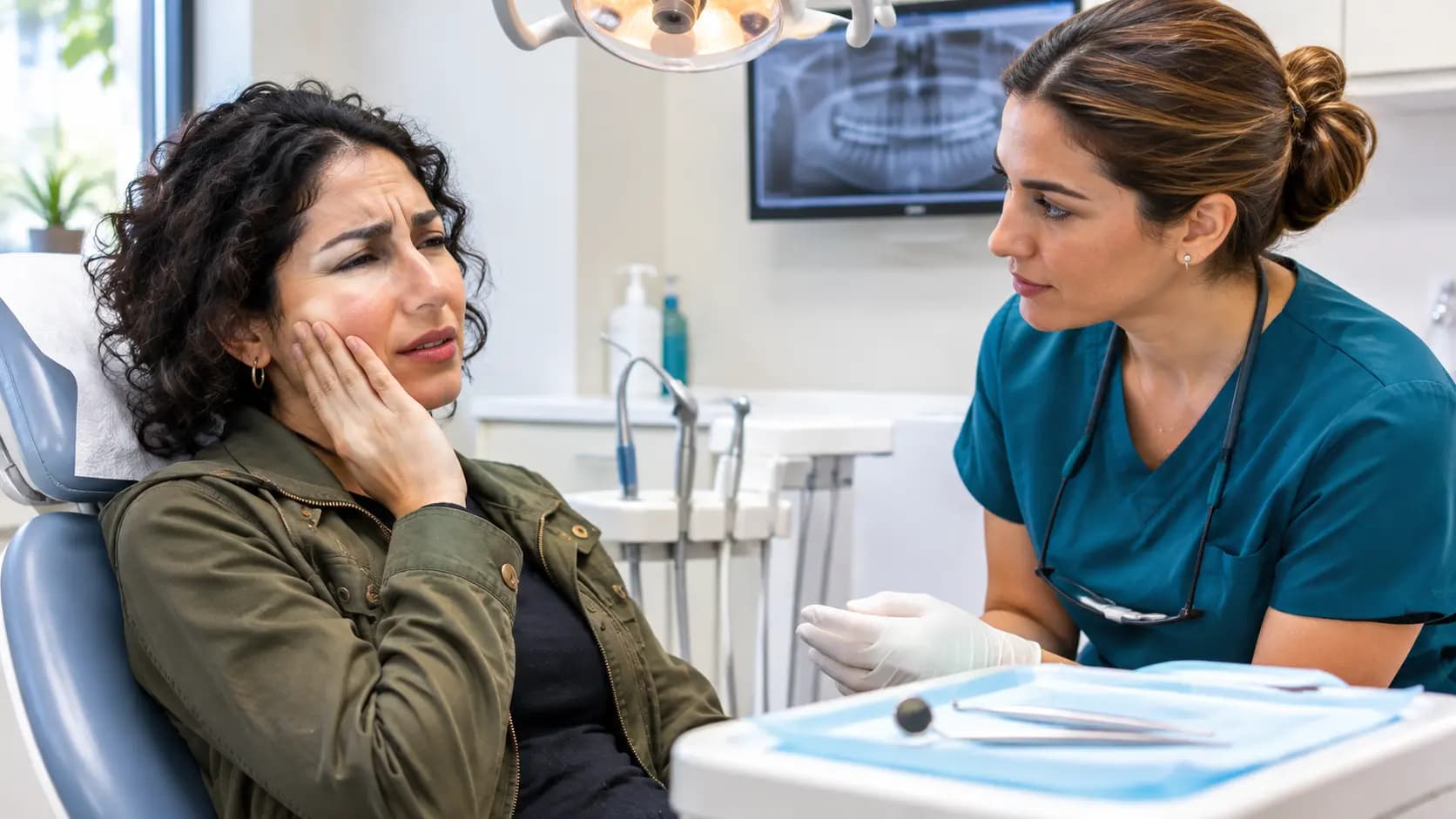
Have you noticed bleeding gums, stubborn tartar, or bad breath that won’t go away? You might wonder whether a regular dental cleaning is enough or if your teeth need a deep cleaning.
Although both procedures improve oral health, they serve different purposes. Regular dental cleaning helps prevent oral health problems, while deep cleaning treats certain forms of gum disease. Understanding the differences can help you make informed decisions about your dental health.
What Is a Regular Dental Cleaning?
A regular dental cleaning is a preventive procedure that removes plaque, hardened tartar, and surface stains from your teeth. It helps maintain healthy gums, prevent cavities, and reduce bacterial buildup.
What Happens During Regular Dental Cleaning?
- Plaque removal: Removes bacteria and soft deposits from tooth surfaces.
- Tartar removal: Eliminates hardened plaque that brushing cannot remove.
- Teeth polishing: Reduces surface stains and smooths tooth surfaces.
- Oral hygiene guidance: Provides personalized brushing and flossing recommendations.
- Preventive care: Helps identify potential oral health concerns early.
Professional dental cleaning services in Milton help patients maintain healthy teeth and gums through preventive care.
Who Needs Regular Dental Cleaning?
- Patients with healthy gums.
- Individuals with plaque or tartar buildup.
- Children and adults requiring preventive care.
- Patients with mild gum inflammation.
- People maintaining oral hygiene between appointments.
Your dentist will recommend an appropriate cleaning schedule based on your oral health.
What Is a Deep Dental Cleaning?
Deep dental cleaning, medically known as scaling and root planing, is a non-surgical periodontal treatment. It removes plaque and tartar beneath the gumline, particularly around tooth roots affected by periodontal disease.
What Happens During Deep Cleaning?
1. Scaling
- Removes bacterial deposits beneath the gums.
- Cleans periodontal pockets around teeth.
- Eliminates hardened tartar from affected root surfaces.
2. Root Planing
- Smooths affected tooth root surfaces.
- Helps gum tissues heal.
- Reduces areas where bacteria can accumulate.
3. Periodontal Assessment
- Evaluates gum pocket depths.
- Checks inflammation and healing.
- Determines whether additional treatment is necessary.
Deep cleaning may require several appointments depending on the severity of gum disease.
Insurance note: Regular dental cleaning and deep cleaning are billed as separate services, so your dental plan may not cover them the same way. Before scheduling deep cleaning (scaling and root planing), check with your insurance provider or contact Smile Lounge Dentistry to confirm your dental coverage.
Dental Cleaning vs. Deep Cleaning: Key Differences
Feature | Regular Cleaning | Deep Cleaning |
|---|---|---|
Purpose | Prevent dental problems | Treat periodontal disease |
Cleaning area | Accessible tooth surfaces | Below the gumline |
Suitable for | Healthy gums | Certain cases of gum disease |
Anesthesia | Usually unnecessary | May be recommended |
Appointments | Usually one visit | Sometimes multiple visits |
Recovery | Minimal discomfort | Temporary tenderness |
Maintenance | Routine appointments | Periodontal follow-up |
The appropriate procedure depends on your gum health and professional dental examination.
5 Signs You May Need Deep Dental Cleaning
Certain symptoms may indicate gum disease requiring professional assessment.
1. Bleeding Gums
- Frequent bleeding during brushing.
- Swollen or tender gum tissue.
- Persistent redness around teeth.
2. Persistent Bad Breath
- Unpleasant breath despite brushing.
- Bad taste in your mouth.
- Bacterial buildup around the gums.
3. Receding Gums
- Teeth appear longer than usual.
- Exposed tooth roots.
- Increased sensitivity to temperature changes.
4. Loose Teeth
- Permanent teeth feeling unstable.
- Changes in tooth spacing.
- Discomfort while chewing.
5. Deep Gum Pockets
- Increased spaces between teeth and gums.
- Plaque and tartar collecting below the gumline.
- Possible damage to supporting tissues.
A professional dental examination at Smile Lounge Dentistry helps determine whether routine cleaning or periodontal treatment is necessary.
Does Deep Dental Cleaning Hurt?
Many patients feel concerned about discomfort during deep cleaning. However, local anesthesia can help make the procedure more comfortable.
During Treatment
- Local anesthesia may numb sensitive areas.
- Patients may feel pressure or vibration.
- Your dental team can explain each treatment step.
After Treatment
- Mild gum soreness.
- Increased tooth sensitivity.
- Minor bleeding or tenderness when chewing.
Recovery Tips
- Use a soft-bristled toothbrush.
- Follow recommended oral hygiene instructions.
- Avoid foods that irritate sensitive gums.
- Take medications only as directed.
- Attend follow-up appointments.
Contact your dentist if symptoms worsen or persist unexpectedly.
Can Dental Cleaning Make Your Teeth Whiter?
Regular cleaning and deep cleaning are different from cosmetic teeth whitening.
Regular Dental Cleaning
- Removes some external stains.
- Eliminates plaque and tartar.
- Makes teeth appear cleaner without changing natural tooth colour.
Deep Dental Cleaning
- Treats periodontal disease.
- Removes deposits beneath the gums.
- Supports gum healing; it does not whiten tooth enamel.
Professional Teeth Whitening
- Uses whitening agents to lighten tooth colour.
- Addresses certain types of discolouration.
- Provides cosmetic improvements.
Patients interested in a brighter smile can explore professional teeth whitening in Milton after addressing existing oral health concerns.
How Often Should You Get Dental Cleaning?
Cleaning frequency depends on individual oral health needs. Factors include:
- Gum health and periodontal history.
- Plaque and tartar accumulation.
- Smoking habits and medical conditions.
- Previous dental treatments.
Some patients may benefit from cleaning every six months, while others require more frequent visits. Patients who receive deep cleaning may need additional periodontal maintenance.
Dental Cleaning for New Patients in Milton
Visiting a dentist for the first time can feel stressful, particularly if you have dental anxiety or have delayed treatment. Smile Lounge Dentistry welcomes new patients and emphasizes individualized, respectful care.
Patients can discuss dental sensitivity, previous experiences, accessibility and communication requirements, oral health concerns, and questions about cleaning procedures. A professional examination helps determine the right treatment.
Frequently Asked Questions
Is deep cleaning better than regular cleaning?
Neither is universally better. Regular cleaning supports prevention, while deep cleaning treats certain forms of periodontal disease.
How long does deep dental cleaning take?
Treatment duration depends on the affected areas and severity. Some patients require multiple appointments.
Does dental insurance cover deep cleaning?
Coverage varies by plan. Deep cleaning is often classified differently from routine cleaning, so confirm your coverage with your insurance provider or contact our clinic before treatment.
Can deep cleaning stop gum disease?
It can help manage periodontal disease by reducing bacterial deposits and inflammation. Ongoing maintenance remains important.
Can tartar be removed at home?
Hardened tartar generally requires professional removal. Brushing and flossing help prevent plaque buildup.
Will gums grow back after deep cleaning?
Gum inflammation may improve, but lost gum tissue and supporting bone do not necessarily regenerate.
Maintain Healthy Teeth and Gums at Smile Lounge Dentistry
Choosing between regular dental cleaning and deep cleaning depends on your gum health. Regular cleaning focuses on prevention, while deep cleaning addresses certain periodontal problems. Both support long-term oral health when appropriately recommended.
Smile Lounge Dentistry welcomes patients seeking personalized dental care in Milton. Visit 264 Main Street East, Milton, Ontario, or call 905-636-6444 to schedule a dental examination.
Written by
Smile Lounge Team
Our team shares practical, evidence-based oral-health guidance from our clinic in Milton, Ontario. Have a question about this article? We are happy to help.
Have a question about your teeth?
Book a visit at our Milton clinic — new patients welcome.
More from the blog
View all
How to Get Rid of Stains on Teeth: Dentist-Approved Tips
Tooth stains can develop from coffee, tea, tobacco, aging, and everyday habits. Learn how to get rid of stains on teeth, understand the difference between surface and deeper discolouration, and explore safe cleaning and whitening options recommended by dental professionals.
Read article
Are Whitening Strips Bad for Your Teeth? | Smile Lounge Dentistry
Whitening strips are everywhere. They are cheap, easy, and promise a brighter smile at home. But are they safe? The honest answer is: it depends.
Read article
How Long Does Teeth Whitening Last? A Dentist’s Guide
Wondering how long teeth whitening lasts? Professional whitening results can remain noticeable for several months to a few years, depending on your habits and oral care routine. Discover what affects whitening longevity, how to prevent new stains, and dentist-recommended tips to keep your smile brighter for longer.
Read article