
How to Get Rid of Stains on Teeth: Dentist-Approved Tips
Tooth stains can develop from coffee, tea, tobacco, aging, and everyday habits. Learn how to get rid of stains on teeth, understand the difference between surface and deeper discolouration, and explore safe cleaning and whitening options recommended by dental professionals.
Smile Lounge Team
Smile Lounge Dentistry · Milton, ON
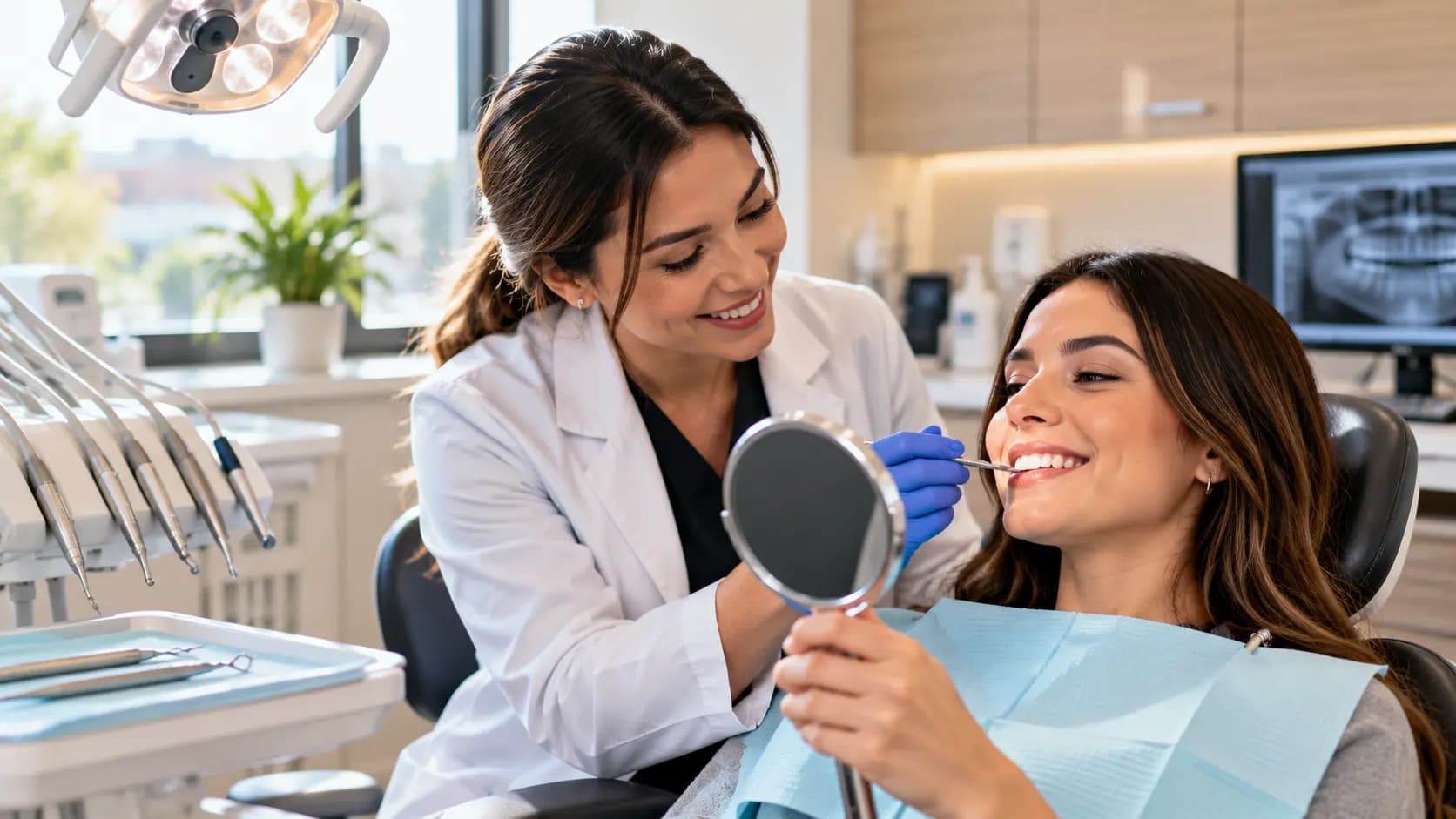
Tooth stains creep up slowly. One day your smile just looks a little duller than it used to.
The good news? Most stains can be reduced or removed.
The trick is knowing what kind of stain you have. Different stains need different fixes.
Let us walk through it clearly. Our team at this trusted Dental Clinic in Milton treats stained teeth every day.
The Two Main Types of Tooth Stains
Not all stains are the same. They fall into two broad groups.
Surface Stains (Extrinsic)
These sit on the outside of your enamel. They come from food, drink, and tobacco.
They are the most common type. They are also the easiest to remove.
Deep Stains (Intrinsic)
These form inside the tooth. They can come from ageing, injury, or certain medications.
They are harder to shift. Surface cleaning alone often will not budge them.
Knowing which type you have points you to the right treatment.
What Causes Teeth to Stain
Stains build up for many reasons. Some you can control. Some you cannot.
Here are the usual suspects.
Food and Drink
This is the top cause. Deeply coloured items leave their mark.
Coffee, tea, red wine, and cola are common. So are berries, curry, and tomato sauce.
Tobacco
Smoking and chewing tobacco stain teeth fast. The marks are stubborn and yellow-brown.
Poor Oral Hygiene
Skipping brushing lets plaque build up. Plaque traps colour and dulls your smile.
Ageing
Enamel thins with age. The yellowish layer beneath shows through more over time.
Certain Medications and Injury
Some medicines cause deep stains. A knock to a tooth can darken it from the inside too.
Simple Ways to Reduce Stains at Home
You can tackle mild surface stains yourself. These habits make a real difference.
- Brush twice a day with a fluoride toothpaste.
- Floss daily to clean between teeth.
- Rinse with water after staining foods and drinks.
- Use a straw for coffee, tea, and cola.
- Cut back on tobacco, or quit if you can.
- Drink plenty of water through the day.
A whitening toothpaste can help with light stains. But go gently. Harsh scrubbing can wear enamel.
Home care works best on surface stains. Deeper stains usually need professional help.
Why Some Stains Need a Dentist
Home remedies have limits. They cannot reach every stain.
Hardened buildup resists even careful brushing. Deep, internal stains do too.
This is where professional care steps in. A dentist can treat what a toothbrush cannot.
The result is cleaner, brighter teeth and a healthier mouth.
Professional Stain Removal Options
When home care is not enough, a few treatments can help. The right one depends on your stains.
Professional Cleaning
A thorough cleaning removes surface stains and plaque. It also clears hardened tartar.
This alone can brighten your smile noticeably. It is often the first step we recommend.
Teeth Whitening
For stains that go deeper, bleaching helps. Professional whitening lifts colour that cleaning cannot.
Done by a dental professional, whitening gives safe, even, and lasting results.
Treating Weak or Damaged Enamel
Sometimes staining links to worn or decayed enamel. In those cases, the tooth itself needs care.
Tooth-coloured fillings in Milton restore damaged areas and blend with your natural shade. This protects the tooth and improves its look.
Can You Prevent Tooth Stains?
You cannot avoid stains completely. But you can slow them down a lot.
Prevention is far easier than removal. A few steps go a long way.
Strengthening your enamel is one of the best defences. Stronger enamel resists stains and decay.
A simple fluoride treatment in Milton hardens the surface of your teeth. This helps keep stains from settling in so easily.
Pair that with good daily habits. Your smile stays brighter for longer.
Habits That Keep Your Smile Bright
Small, steady choices protect your results. Make these part of your routine.
Brush and floss every day without fail. Rinse after dark drinks.
See your dentist for regular cleanings. They catch stains and buildup early.
Limit the foods that stain most. Or enjoy them with a straw and a water chaser.
Consistency beats intensity every time.
Do Natural Remedies Remove Stains?
Home remedies are popular online. Some help a little. Others can harm.
Oil pulling and crunchy fruits may freshen the mouth. But they do not deeply whiten.
Treat natural remedies as mild support, not a cure. For real stain removal, professional care wins.
Baking Soda and Charcoal: Be Careful
These trend a lot. Both are abrasive.
Used gently and rarely, baking soda can lift light surface stains. Overuse wears down enamel.
Charcoal is rougher still. Daily scrubbing with it can do more harm than good.
When in doubt, ask your dentist before trying a trend.
Surface Stain or Something Deeper?
It helps to tell them apart. Surface stains look even and respond to cleaning.
Deeper stains may affect one tooth or look grey. They often resist home care.
A single dark tooth deserves attention. It can signal a problem inside.
If you are unsure, a quick exam gives you a clear answer.
Stained Teeth in Children
Kids can get stains too. The causes are a little different.
Poor brushing, sugary drinks, and some medicines play a role. A knock to a baby tooth can darken it.
Gentle brushing and regular checkups usually keep young smiles bright.
Never use harsh whitening products on children. Always ask a dentist first.
Protecting Your Results Long Term
Removing stains is only half the job. Keeping them away is the rest.
Build steady habits and stick with them. Keep up with professional cleanings.
Small daily choices protect your smile for years. Consistency is the secret.
When to See a Dentist
Some staining is more than cosmetic. It can hint at a deeper problem.
See a dentist if a single tooth darkens suddenly. That may signal damage inside.
Book a visit if stains will not budge with home care. Professional treatment usually can.
A checkup also rules out decay or gum issues. Your smile and your health both benefit.
Why a Dentist Gets Better Results
Store products are one-size-fits-all. A dentist tailors care to your teeth.
We first find what is causing your stains. Then we match the right treatment.
That means safer, faster, and more even results. It also protects your enamel.
Guesswork is removed from the process. You get a brighter smile with less risk.
The Bottom Line
Most tooth stains can be improved. The key is matching the treatment to the stain.
Surface stains respond to good habits and cleaning. Deeper stains need professional care.
Do not settle for a dull smile. With the right approach, a brighter one is well within reach.
If you are not sure where to start, we are always happy to take a look and guide you.
Written by
Smile Lounge Team
Our team shares practical, evidence-based oral-health guidance from our clinic in Milton, Ontario. Have a question about this article? We are happy to help.
Have a question about your teeth?
Book a visit at our Milton clinic — new patients welcome.
More from the blog
View all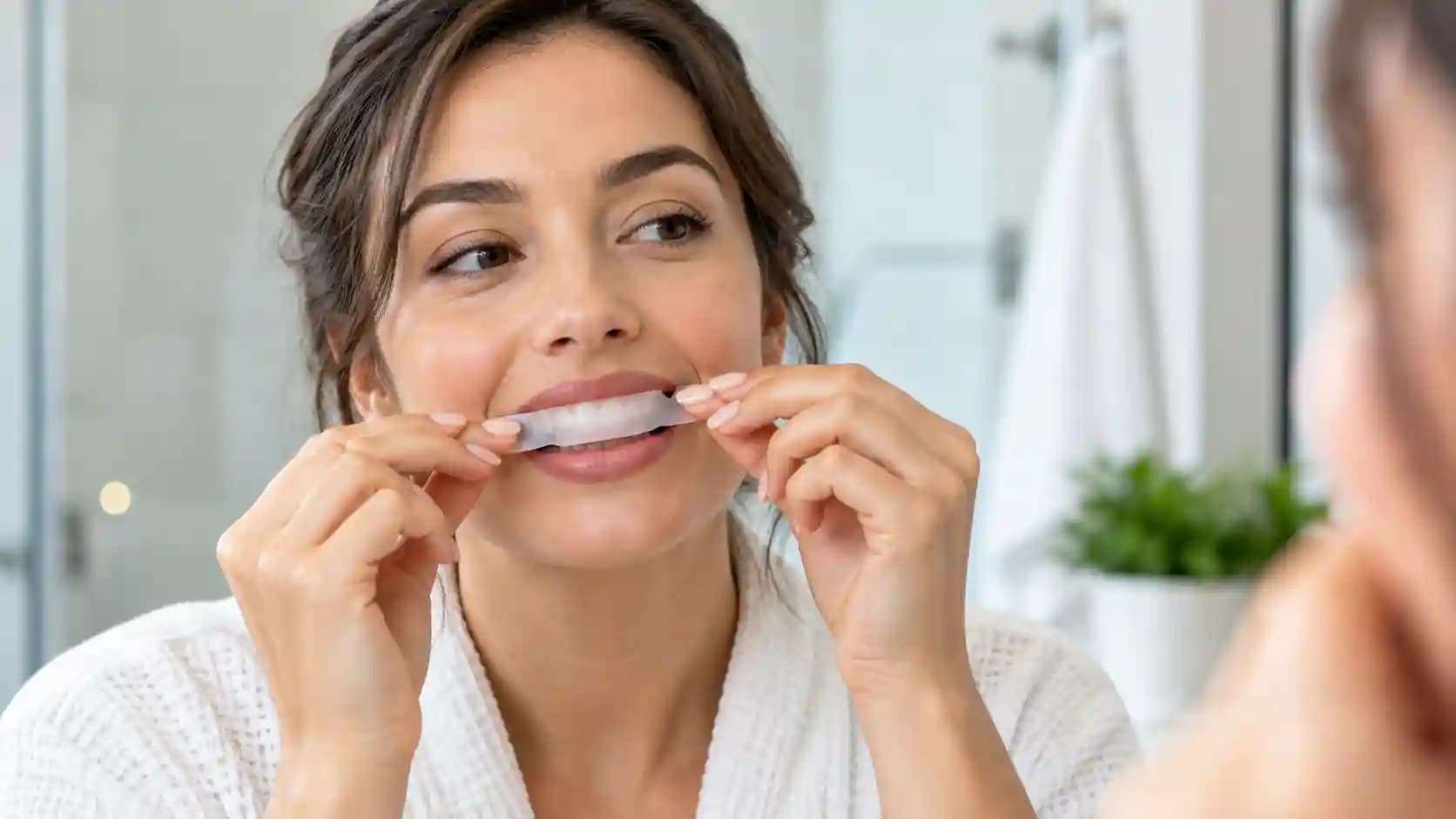
Are Whitening Strips Bad for Your Teeth? | Smile Lounge Dentistry
Whitening strips are everywhere. They are cheap, easy, and promise a brighter smile at home. But are they safe? The honest answer is: it depends.
Read article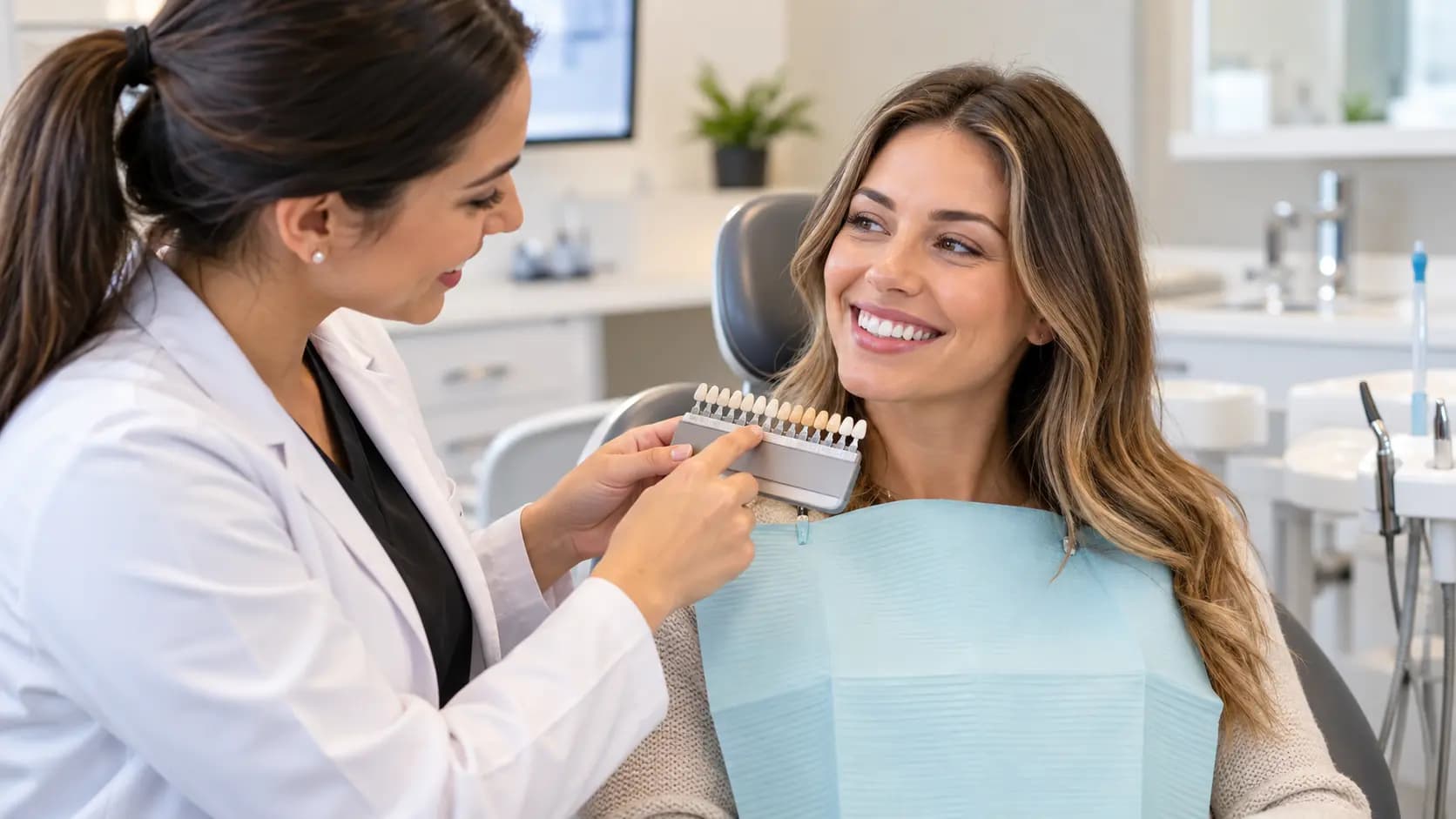
How Long Does Teeth Whitening Last? A Dentist’s Guide
Wondering how long teeth whitening lasts? Professional whitening results can remain noticeable for several months to a few years, depending on your habits and oral care routine. Discover what affects whitening longevity, how to prevent new stains, and dentist-recommended tips to keep your smile brighter for longer.
Read article
How Cosmetic Dentistry Can Improve Your Smile and Confidence
Discover how cosmetic dentistry can improve your smile and confidence through treatments that address tooth colour, shape, alignment, and other aesthetic concerns.
Read article