

How Long Does Teeth Whitening Last? A Dentist’s Guide
Wondering how long teeth whitening lasts? Professional whitening results can remain noticeable for several months to a few years, depending on your habits and oral care routine. Discover what affects whitening longevity, how to prevent new stains, and dentist-recommended tips to keep your smile brighter for longer.
Smile Lounge Team
Smile Lounge Dentistry · Milton, ON
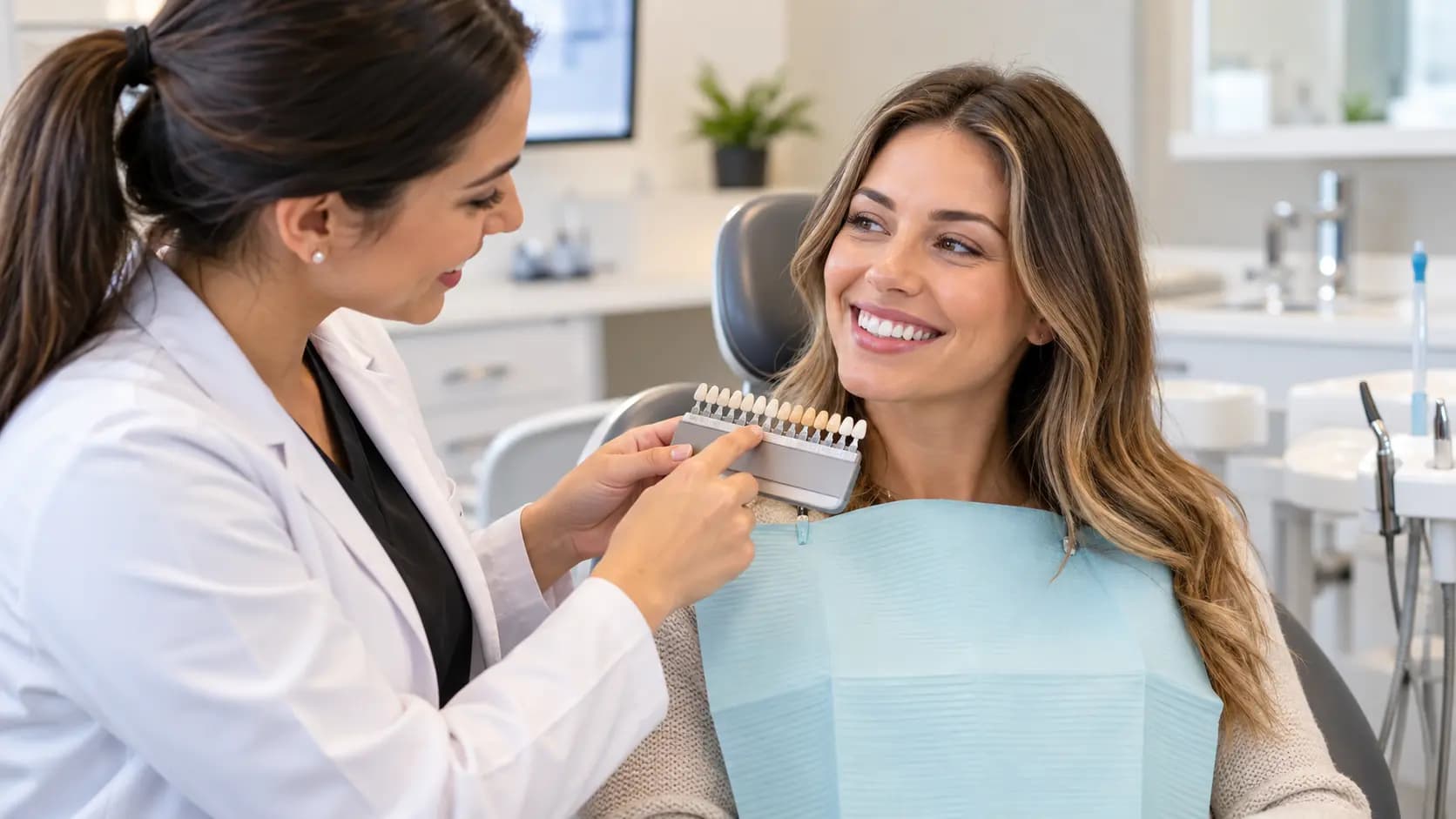
You brightened your smile. It looks great. Now you want to know how long it will stay that way.
It is a fair question. Whitening is an investment in your confidence.
The short answer? Results usually last from a few months to a few years.
That is a wide range. The reason is simple: it depends on how you whiten and how you live. Our team at this trusted Dental Clinic in Milton helps patients keep their results bright for as long as possible.
The Short Answer by Method
Not all whitening lasts the same. The method matters a lot.
Professional In-Office Whitening
This is the strongest option. Results often last one to three years.
The treatment is powerful and precise. The effect goes deeper and holds longer.
Take-Home Trays From a Dentist
These use custom trays and professional gel. Results typically last six months to two years.
They work slower than in-office whitening. But they are easy to top up.
Store-Bought Strips and Kits
These are the weakest option. Results usually fade within a few months.
The gel is milder. So the colour change does not last as long.
The pattern is clear. Stronger, professional treatment lasts longer.
What Affects How Long Whitening Lasts
Two people can whiten the same way. Yet their results fade at different speeds.
Here is what makes the difference.
Your Food and Drink
This is the biggest factor by far. Deeply coloured items stain teeth.
Coffee, tea, and red wine are common culprits. So are cola, berries, and tomato sauce.
The more you have, the faster your smile dulls.
Smoking and Tobacco
Tobacco stains teeth quickly. It is one of the fastest ways to undo whitening.
Quitting protects both your smile and your health.
Your Daily Oral Care
Good habits slow down staining. Poor habits speed it up.
Regular brushing and flossing keep surface stains from settling in.
Your Natural Teeth
Everyone's enamel is a little different. Some teeth simply hold colour longer than others.
Age plays a role too. Enamel thins over time, which can affect the shade.
How to Make Your Whitening Last Longer
You cannot stop staining completely. But you can slow it down a lot.
Try these simple habits.
- Cut back on coffee, tea, wine, and cola.
- Use a straw for dark drinks. It limits contact with your teeth.
- Rinse with water after staining foods.
- Brush twice a day and floss daily.
- Avoid smoking and tobacco products.
- Keep up with regular dental visits.
None of this means giving up your favourite foods. It just means being a little mindful.
The Role of Professional Cleanings
Daily brushing only does so much. Some stains build up where your brush cannot reach.
This is where professional care comes in. A thorough dental cleaning in Milton removes surface stains and hardened buildup.
It keeps your teeth looking fresh between whitening sessions. It also protects your gums.
Think of cleanings as maintenance for your bright smile.
When to Consider a Touch-Up
Whitening is not permanent. Over time, a top-up keeps things looking their best.
Many people touch up every six to twelve months. Others go longer.
Watch your smile for clues. If the brightness fades, a short session often restores it.
Touch-ups are usually quicker than the first treatment. They keep your results consistent.
Whitening Is Not a One-Time Fix
Here is the honest truth. No whitening lasts forever.
Teeth face daily exposure to colour. Fading is natural, not a failure.
The goal is not to whiten once and forget it. The goal is to maintain a shade you love.
With simple care and the odd touch-up, that is very achievable.
Exploring Longer-Lasting Options
Some people want brightness that does not fade so easily. There are options for that.
Cosmetic dentistry in Milton offers more lasting solutions beyond bleaching. These can suit teeth that stain fast or resist whitening.
The right choice depends on your goals and your budget. A quick consultation makes the path clear.
We always talk through the pros and cons first. That way you choose with confidence.
Does Whitening Weaken Your Teeth?
This worry is common. The honest answer is reassuring.
Professional whitening is safe for healthy teeth. It does not harm enamel when done properly.
Temporary sensitivity can happen. It usually fades within a few days.
The key word is proper. Controlled, dentist-guided whitening protects your teeth while it brightens them.
In-Office vs Take-Home: Which Lasts Longer?
Both work well. But they differ in speed and staying power.
In-office whitening is fastest. It also tends to last the longest.
Take-home trays build results more slowly. They are easy to maintain with quick top-ups.
Many people combine the two. A strong start in the chair, then trays to keep it going.
Signs Your Whitening Is Fading
Your smile will tell you when it is time. Watch for these clues.
Teeth look duller than they did. A yellow tinge starts to return.
Stains reappear near the gumline or between teeth. Your smile no longer pops in photos.
When you notice these, a touch-up usually restores the shade fast.
Whitening and Your Overall Dental Health
A bright smile should sit on a healthy foundation. Whitening works best on clean, sound teeth.
Treating decay or gum issues first is important. Whitening over a problem can hide it, not fix it.
That is why a checkup comes before treatment. Healthy teeth whiten more evenly and hold colour longer.
Common Whitening Myths
A few myths cause confusion. Let us clear them up.
Myth: whitening lasts forever. In truth, it fades and needs upkeep.
Myth: more sessions always mean whiter teeth. Overdoing it only raises sensitivity.
Myth: all whitening is the same. Strength and method change how long it lasts.
Is Whitening Worth It?
For most people, yes. A brighter smile lifts your confidence.
The results are not permanent. But they are easy to maintain.
With simple care and the odd touch-up, the brightness keeps paying off.
Think of it as upkeep, not a one-time cost.
When to See a Dentist
Whitening should be comfortable. Mild, brief sensitivity is normal. Lasting pain is not.
See a dentist if sensitivity lingers for more than a few days. Do the same for sore gums.
Book a visit if your results look patchy or uneven. That can point to a hidden issue.
A checkup before whitening is always a smart move. It makes sure your teeth are healthy and ready.
Keep a Record of Your Shade
A simple tip helps you track results. Note your starting shade.
Your dentist can record it at your visit. Then you can see how far you have come.
It also shows when fading begins. That makes touch-up timing easy.
The Bottom Line
So, how long does teeth whitening last? Anywhere from a few months to a few years.
The method sets the baseline. Your habits do the rest.
Whiten with care. Protect your results. Top up when needed.
If you want a brighter smile that truly lasts, we are happy to help you plan it.
Written by
Smile Lounge Team
Our team shares practical, evidence-based oral-health guidance from our clinic in Milton, Ontario. Have a question about this article? We are happy to help.
Have a question about your teeth?
Book a visit at our Milton clinic — new patients welcome.
More from the blog
View all
How Cosmetic Dentistry Can Improve Your Smile and Confidence
Discover how cosmetic dentistry can improve your smile and confidence through treatments that address tooth colour, shape, alignment, and other aesthetic concerns.
Read article
Can Toothache Cause Headache? Causes, Symptoms & When to See a Dentist
Can toothache cause headache? Explore possible connections, symptoms to watch for, and when to see a dentist for an assessment.
Read article
Dental Implants vs Dentures: Which Is Better for You?
Dental implants or dentures? Compare the benefits, comfort, maintenance, and costs of each option to help you discuss the right choice with your dentist.
Read article